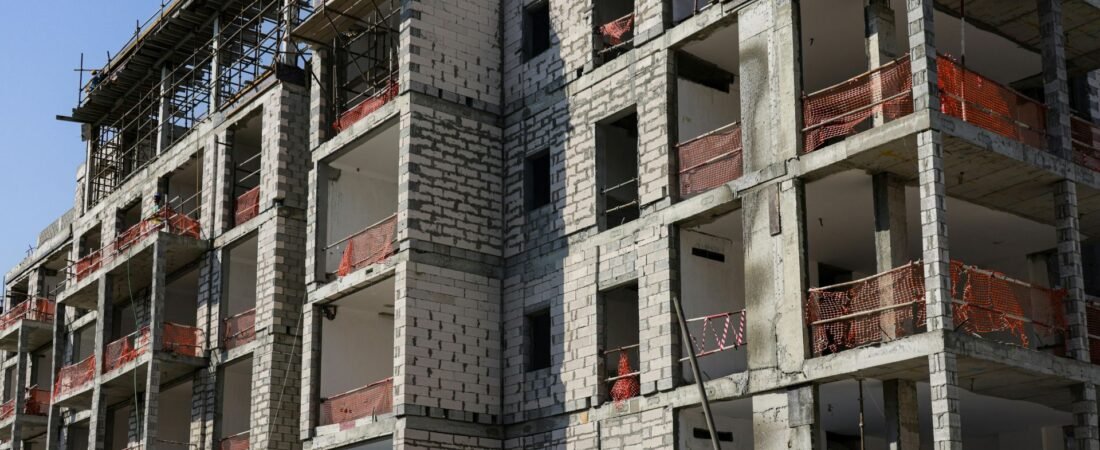
Western Australia is one of Australia’s leading regions for mining, industrial production, and infrastructure development. The state supports major resource projects, large-scale industrial facilities, transport networks, and public infrastructure that contribute significantly to economic growth. These projects require experienced construction specialists who can manage complex requirements, strict safety standards, and demanding operating environments.
Construction specialists provide the expertise needed to plan, coordinate, and deliver projects across mining, industrial, and infrastructure sectors. Their role extends beyond construction activities to include project management, engineering coordination, quality assurance, regulatory compliance, and long-term asset support.
Industrial infrastructure services in Western Australia are essential for developing and maintaining the facilities that support resource extraction, manufacturing, logistics, transportation, and industrial operations throughout the state.
Construction Expertise for Western Australia’s Mining Sector
Mining remains a key driver of Western Australia’s economy. The state is one of the world’s largest producers of iron ore and also contributes significantly to global supplies of lithium, gold, nickel, and other valuable minerals.
Mining operations depend on extensive infrastructure to support production and transportation activities. Construction specialists are responsible for developing processing plants, crushing facilities, conveyor systems, workshops, storage areas, accommodation villages, water management systems, and haul roads.
Many mining projects are located in remote regions where logistical planning is critical. Construction teams coordinate workforce accommodation, equipment transport, material procurement, and site operations to maintain project schedules and operational efficiency.
Industrial infrastructure services in Western Australia support mining companies through the construction of reliable facilities that help maximize productivity and operational performance.
Infrastructure Construction Across Western Australia
Infrastructure development plays a critical role in supporting economic activity and community growth. Roads, bridges, rail networks, ports, airports, water systems, and utility infrastructure connect industries, businesses, and communities throughout Western Australia.
Infrastructure construction projects often involve large investments, complex engineering requirements, and long-term planning. Construction specialists work closely with government agencies, engineers, consultants, and project stakeholders to ensure developments meet technical and regulatory requirements.
Civil construction services commonly include earthworks, road construction, drainage systems, utility installation, structural concrete works, and transportation infrastructure development. These projects help improve regional connectivity and support future economic growth.
Well-planned infrastructure contributes to efficient transportation, resource movement, and access to essential services across the state.
Industrial Construction Solutions
Industrial facilities require specialized construction expertise due to their technical complexity and operational demands. Manufacturing plants, resource processing facilities, storage terminals, logistics centers, and utility infrastructure must be designed and constructed to support continuous operations.
Industrial construction projects often include structural steel installation, heavy concrete works, mechanical systems, electrical infrastructure, equipment foundations, and facility upgrades. Construction specialists ensure these systems work together effectively while meeting engineering standards and operational requirements.
Industrial infrastructure services in Western Australia help businesses expand production capacity, modernize facilities, and improve operational efficiency through high-quality construction solutions.
As industrial sectors continue to evolve, demand for advanced construction expertise remains essential for supporting long-term business growth.
Project Management for Complex Developments
Successful construction projects require strong project management. Construction specialists coordinate schedules, budgets, procurement activities, workforce allocation, subcontractor management, and stakeholder communication throughout the project lifecycle.
Large-scale infrastructure and industrial developments often involve multiple contractors and technical disciplines. Effective project management helps maintain alignment between all project participants while reducing delays and improving efficiency.
Construction managers also monitor project risks, quality standards, and resource utilization to ensure construction activities remain on track and meet performance objectives.
Professional project management contributes to better cost control, improved productivity, and successful project delivery.
Safety and Regulatory Compliance
Safety is a core component of all construction projects. Mining, industrial, and infrastructure environments often involve heavy machinery, elevated work platforms, confined spaces, and high-risk activities that require strict safety controls.
Construction specialists implement comprehensive safety management systems that include workforce training, risk assessments, equipment inspections, emergency planning, and site monitoring. These measures help reduce workplace incidents and maintain compliance with Australian workplace health and safety regulations.
Environmental compliance is also an important consideration. Construction companies follow environmental management procedures designed to minimize impacts on land, water resources, and surrounding ecosystems.
Industrial infrastructure services in Western Australia are delivered in accordance with industry standards, regulatory requirements, and best-practice safety procedures.
Quality Assurance and Long-Term Asset Performance
Quality assurance helps ensure infrastructure and industrial facilities perform reliably throughout their operational life. Construction specialists apply detailed inspection processes, testing procedures, and quality control measures at every project stage.
Construction materials, structural systems, mechanical installations, and electrical infrastructure are assessed to confirm compliance with project specifications and engineering standards. Quality-focused construction helps reduce maintenance requirements and improve operational reliability.
Organizations benefit from infrastructure assets that support long-term performance, safety, and productivity.
Supporting Sustainable Construction Practices
Sustainability continues to influence modern construction projects throughout Western Australia. Construction specialists increasingly implement strategies that improve resource efficiency and reduce environmental impacts.
These initiatives may include energy-efficient systems, recycled construction materials, waste reduction programs, and water conservation measures. Sustainable construction practices help organizations achieve environmental objectives while maintaining project quality and operational performance.
Responsible construction methods contribute to long-term infrastructure resilience and support broader sustainability goals.
Frequently Asked Questions
What services do infrastructure, mining, and industrial construction specialists provide?
Construction specialists provide project planning, civil works, structural construction, industrial facility development, infrastructure construction, project management, quality assurance, and maintenance support services.
Why are Industrial infrastructure services in Western Australia important?
Industrial infrastructure services in Western Australia support the development, maintenance, and expansion of facilities that are essential for mining, manufacturing, logistics, transportation, and industrial operations.
What types of mining infrastructure are commonly constructed?
Mining infrastructure includes processing plants, crushing facilities, conveyor systems, workshops, storage facilities, accommodation villages, haul roads, and water management systems.
How do construction specialists manage project safety?
Construction specialists implement safety management systems, workforce training programs, equipment inspections, risk assessments, and compliance monitoring to maintain safe construction environments.
What role does project management play in construction?
Project management coordinates resources, schedules, budgets, quality control activities, procurement processes, and stakeholder communication to support successful project delivery.
Conclusion
Infrastructure, mining, and industrial construction specialists play a critical role in supporting Western Australia’s ongoing growth and development. Their expertise helps deliver complex projects that require advanced planning, technical knowledge, strong safety practices, and effective project management. From resource sector facilities and industrial plants to transportation networks and public infrastructure, construction specialists provide the skills and resources needed to achieve successful outcomes. As industries continue to expand across the state, Industrial infrastructure services in Western Australia will remain essential for building and maintaining the infrastructure that supports long-term economic development and operational success.